

National University System of Taiwan Expands to 15 Member Institutions Vice President Hsiao Bi-khim Praises Cross-Disciplinary Integration
2026-02-02
興新聞張貼者
Unit秘書室
1,816
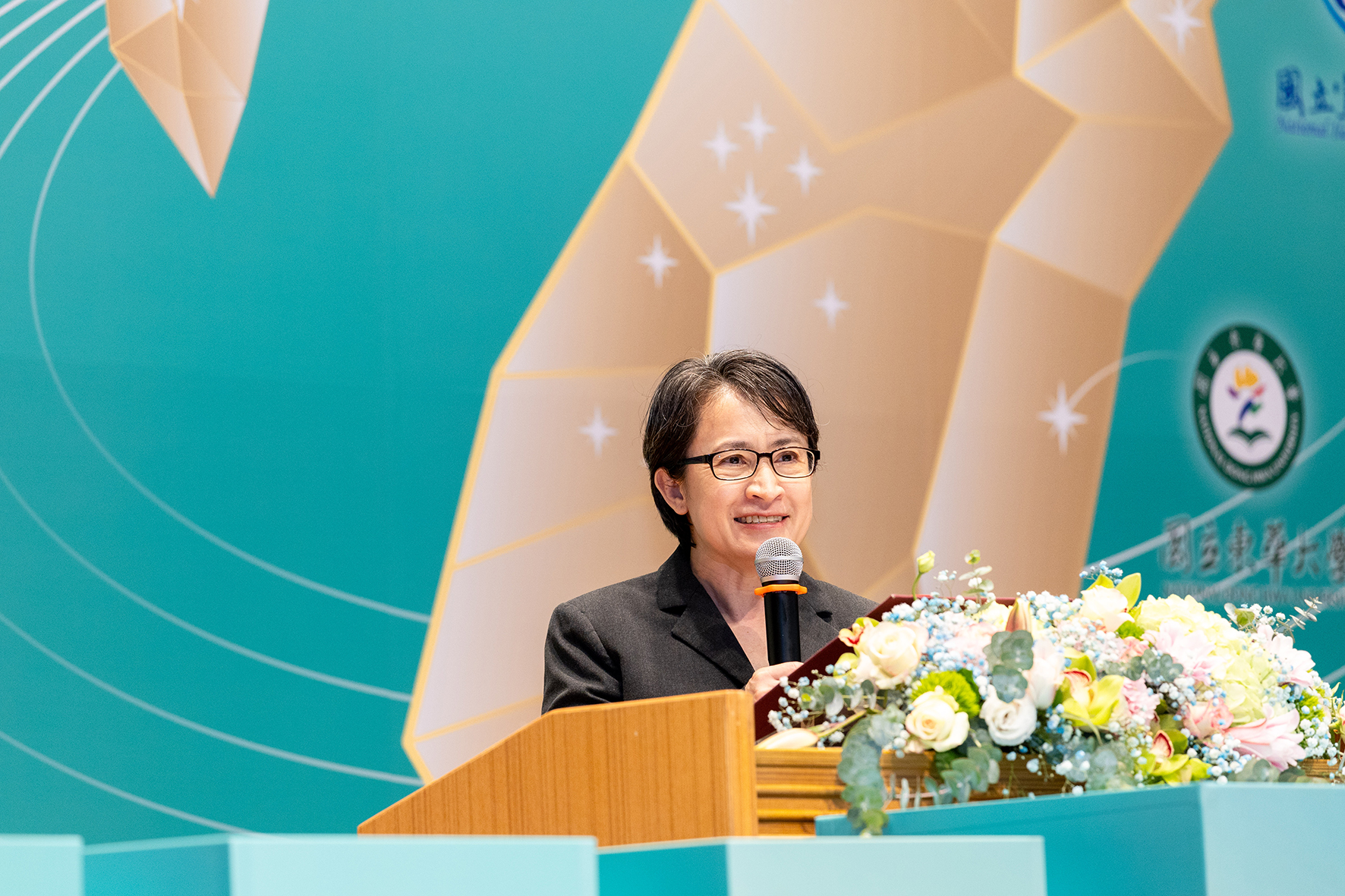
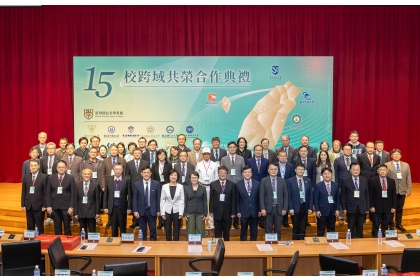
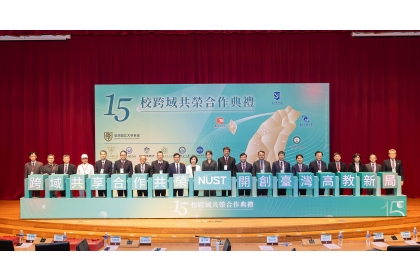
The National University System of Taiwan held a “Cross-Disciplinary Collaboration and Co-Prosperity Ceremony for 15 Member Universities” on January 27, announcing the official expansion of the system to 15 national universities. The milestone marks a new phase in Taiwan’s higher education development, highlighting enhanced inter-university integration, resource sharing, and balanced regional growth. Vice President Hsiao Bi-khim attended the ceremony and delivered remarks, joining presidents and representatives from all 15 member institutions to witness this significant moment.
Established in 2021 at the initiative of National Chung Hsing University, the National University System of Taiwan initially brought together 11 universities to promote cross-institutional collaboration and resource integration. In 2024, four additional institutions—National Quemoy University, University of Taipei, National Dong Hwa University, and National Ilan University—joined the alliance, expanding total membership to 15 universities. The system now serves nearly 120,000 students and employs approximately 5,000 faculty members, making it the largest higher education alliance in Taiwan.
In her remarks, Vice President Hsiao noted that the system’s rapid growth—from 11 to 15 universities in just a few years—has brought together close to 120,000 students and successfully fostered cross-campus and cross-disciplinary collaboration. By transcending geographic boundaries and connecting institutions across Taiwan’s main island, offshore islands, and eastern regions, the alliance demonstrates new possibilities for diversified higher education development. She emphasized that in an era marked by rapid change and uncertainty, higher education must move beyond traditional campus boundaries and create more interdisciplinary and international learning pathways. Such efforts, she said, will enable young people to explore their interests and life goals while building stronger connections with the world. Vice President Hsiao also expressed her hope that the system would continue to deepen cooperation and serve as a strong pillar of support for students, nurturing a new generation capable of solving complex problems and engaging confidently on the global stage.
Since its establishment more than four years ago, the National University System of Taiwan has formed seven working groups—covering teaching, research and development, international affairs, budgeting and accounting, libraries, university social responsibility (USR) and regional revitalization, and sports—to facilitate collaboration in both academic and administrative governance. Beginning in 2022, the system introduced cross-university course enrollment for undergraduate students, followed by the launch of cross-institutional double majors, minors, and exchange programs in the 2023 academic year. Students are eligible to enroll in up to two cross-university courses per semester without additional credit fees. To date, cross-university course enrollment has reached 717 instances. The system has also promoted laboratory exchanges, distinguished lecture series, and international exchange activities, jointly organizing more than 100 lectures and engaging nearly 80,000 faculty and students.
In the area of international student development, the system offers cultural immersion programs—including local heritage experiences, mountain climbing, and river tracing—to deepen international students’ understanding of Taiwanese society and culture. It has also introduced initiatives to support international graduates seeking employment in Taiwan, combining corporate visits, career development seminars, and Mandarin language courses to enhance post-graduation career opportunities.
At the same time, the system encourages early-career scholars to engage in interdisciplinary research through cross-university collaborative funding programs, strengthening collective research capacity. In advancing university social responsibility and regional revitalization, the alliance spans 11 counties and cities, building collaborative networks with local governments, enterprises, and civil society organizations. It has also actively promoted ESG and sustainable development education, with member universities currently offering more than 82 ESG-related courses to enhance competencies in environmental sustainability, social responsibility, and governance.
System Chair and President of National Chung Hsing University, Fuh-Jyh Jan, welcomed the addition of the four new member universities, noting that the expansion will broaden cross-disciplinary collaboration and geographic coverage while strengthening the system’s overall competitiveness. He emphasized that this development not only signifies closer regional connections, but also represents an important milestone in Taiwan’s efforts toward cross-disciplinary collaboration and resource sharing in higher education.
Established in 2021 at the initiative of National Chung Hsing University, the National University System of Taiwan initially brought together 11 universities to promote cross-institutional collaboration and resource integration. In 2024, four additional institutions—National Quemoy University, University of Taipei, National Dong Hwa University, and National Ilan University—joined the alliance, expanding total membership to 15 universities. The system now serves nearly 120,000 students and employs approximately 5,000 faculty members, making it the largest higher education alliance in Taiwan.
In her remarks, Vice President Hsiao noted that the system’s rapid growth—from 11 to 15 universities in just a few years—has brought together close to 120,000 students and successfully fostered cross-campus and cross-disciplinary collaboration. By transcending geographic boundaries and connecting institutions across Taiwan’s main island, offshore islands, and eastern regions, the alliance demonstrates new possibilities for diversified higher education development. She emphasized that in an era marked by rapid change and uncertainty, higher education must move beyond traditional campus boundaries and create more interdisciplinary and international learning pathways. Such efforts, she said, will enable young people to explore their interests and life goals while building stronger connections with the world. Vice President Hsiao also expressed her hope that the system would continue to deepen cooperation and serve as a strong pillar of support for students, nurturing a new generation capable of solving complex problems and engaging confidently on the global stage.
Since its establishment more than four years ago, the National University System of Taiwan has formed seven working groups—covering teaching, research and development, international affairs, budgeting and accounting, libraries, university social responsibility (USR) and regional revitalization, and sports—to facilitate collaboration in both academic and administrative governance. Beginning in 2022, the system introduced cross-university course enrollment for undergraduate students, followed by the launch of cross-institutional double majors, minors, and exchange programs in the 2023 academic year. Students are eligible to enroll in up to two cross-university courses per semester without additional credit fees. To date, cross-university course enrollment has reached 717 instances. The system has also promoted laboratory exchanges, distinguished lecture series, and international exchange activities, jointly organizing more than 100 lectures and engaging nearly 80,000 faculty and students.
In the area of international student development, the system offers cultural immersion programs—including local heritage experiences, mountain climbing, and river tracing—to deepen international students’ understanding of Taiwanese society and culture. It has also introduced initiatives to support international graduates seeking employment in Taiwan, combining corporate visits, career development seminars, and Mandarin language courses to enhance post-graduation career opportunities.
At the same time, the system encourages early-career scholars to engage in interdisciplinary research through cross-university collaborative funding programs, strengthening collective research capacity. In advancing university social responsibility and regional revitalization, the alliance spans 11 counties and cities, building collaborative networks with local governments, enterprises, and civil society organizations. It has also actively promoted ESG and sustainable development education, with member universities currently offering more than 82 ESG-related courses to enhance competencies in environmental sustainability, social responsibility, and governance.
System Chair and President of National Chung Hsing University, Fuh-Jyh Jan, welcomed the addition of the four new member universities, noting that the expansion will broaden cross-disciplinary collaboration and geographic coverage while strengthening the system’s overall competitiveness. He emphasized that this development not only signifies closer regional connections, but also represents an important milestone in Taiwan’s efforts toward cross-disciplinary collaboration and resource sharing in higher education.
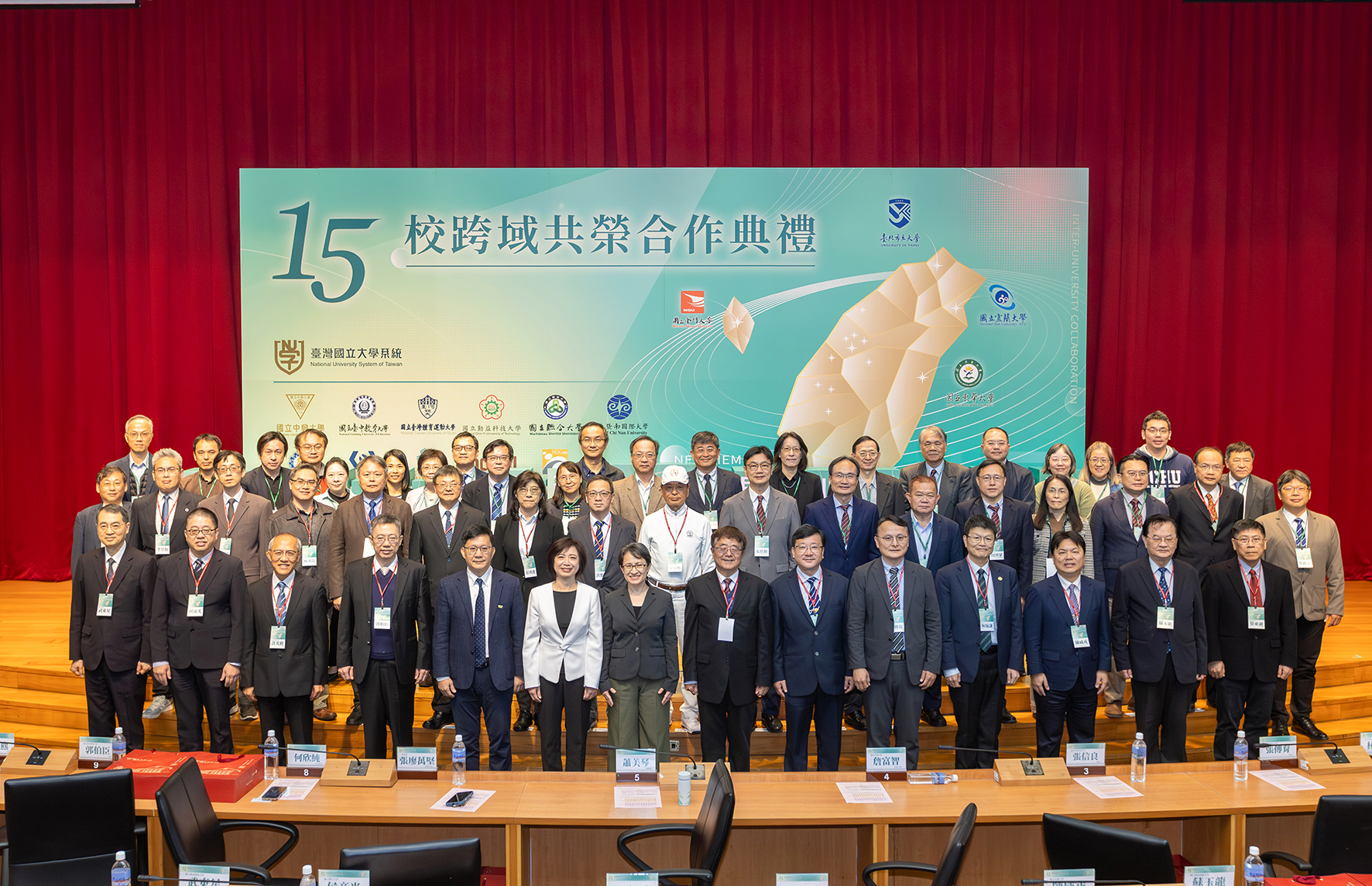
National University System of Taiwan Expands to 15 Member Institutions Vice President Hsiao Bi-khim Praises Cross-Disciplinary Integration
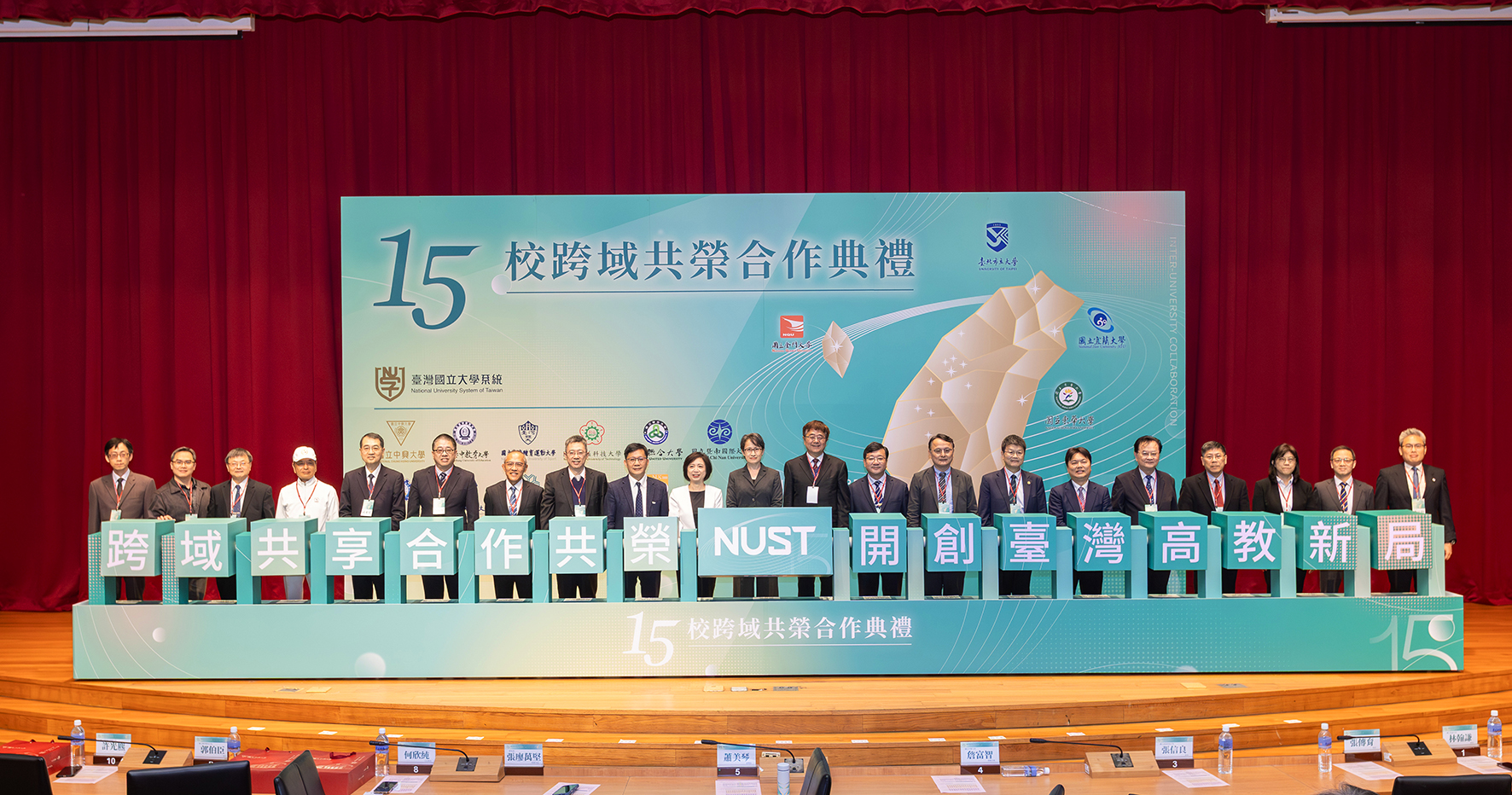
National University System of Taiwan Expands to 15 Member Institutions Vice President Hsiao Bi-khim Praises Cross-Disciplinary Integration