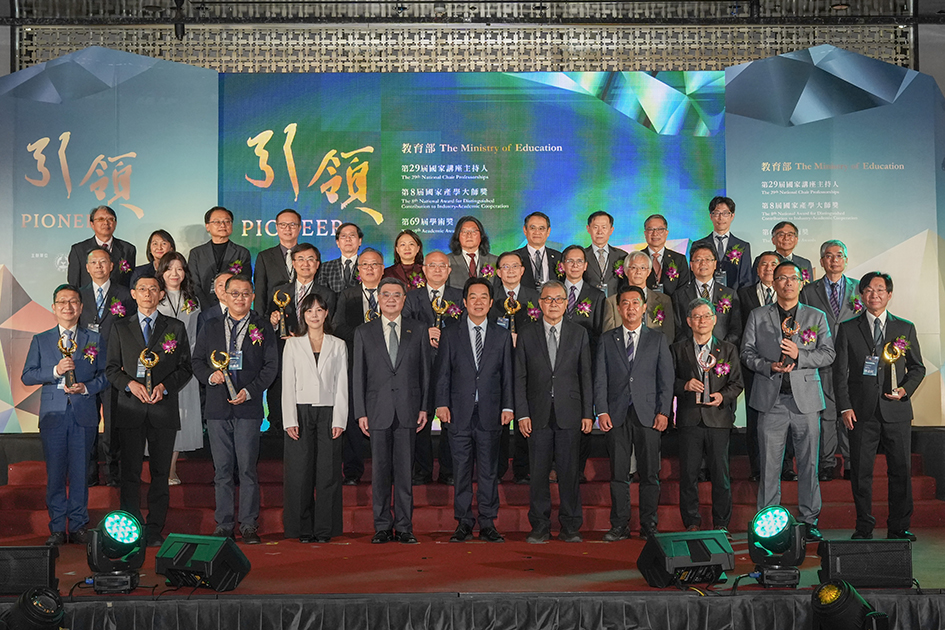


NCHU Vice President Chuan-Mu Chen Receives the Ministry of Education’s 69th Academic Award --- Recognized for More Than Three Decades of Contributions to Animal Biotechnology and Biomedical Research
2026-03-27
興新聞張貼者
Unit秘書室
1,551
Professor Chuan-Mu Chen, Chair Professor in the Department of Life Sciences and Vice President of National Chung Hsing University (NCHU), has devoted more than 30 years to research in animal biotechnology. Through sustained work in transgenic animal technology and stem cell research, he has helped build a strong foundation for biomedical and pharmaceutical research in Taiwan. He has also supervised nearly 150 master’s and doctoral students, many of whom now work in the medical, biotechnology, and pharmaceutical sectors. His research on functional peptides has also been translated into clinical and industrial applications. In recognition of these achievements, he has received the Ministry of Education’s 69th Academic Award.
From Basic Research to Industrial Application
Professor Chen was born into a farming family in Kinmen. Growing up close to nature and animals, he developed an early interest in the natural world and ecology, along with a practical and disciplined work ethic. During his studies at National Taiwan University, he was guided by Professors Winston Teng-Kuei Cheng and Kong-Bung Choo, whose mentorship led him into gene engineering and transgenic animal research and laid the academic foundation for his later work in animal biotechnology and molecular embryology.
In 1996, Professor Chen joined NCHU and established the Laboratory of Molecular Embryology and Gene Methylation, where he began long-term work on core technologies in animal biotechnology. In basic research, he used transgenic mice as a model system to analyze the mechanisms of exogenous gene integration and recombination in embryonic chromosomes. He also established a methylation genechip platform, which was applied to the identification of epigenetic alterations in tumorigenesis and genes associated with abnormal early embryonic development. These studies were published in leading international journals, including Cancer Research and Genome Research. Through collaboration with clinical physicians, he also clarified the mechanisms of infection and evolution of hepatitis D and hepatitis E viruses. This work was published in The Lancet and Journal of Hepatology and contributed to research on zoonotic infection and public health.
In translational research, Professor Chen has led the development of functional peptidomics based on lactoferrin and lactoferrin-derived peptides from colostrum, as well as peptides generated from milk proteins after kefir fermentation. His team has shown that these peptides have anti-inflammatory, antioxidant, antihypertensive, anti-osteoporotic, lipid-regulating, and gut microbiota-modulating effects. Clinical studies have further shown preventive and therapeutic effects in several metabolic disorders. The related findings have been published in journals such as Nature Communications, International Journal of Obesity, and Nutrition & Diabetes. The resulting technologies have been introduced into precision health product development and have also been applied in aquaculture and livestock production to improve animal health. At present, patented peptide products developed by his team are used in feed additives for about one quarter of pigs in Taiwan, helping reduce antibiotic use while improving animal health and meat safety.
Research in Stem Cells and Regenerative Medicine
In recent years, Professor Chen has expanded his work into mesenchymal stem cells and regenerative medicine. His team established animal models of lung disease and pancreatic cancer and found that amniotic fluid-derived mesenchymal stem cells, after defined preconditioning, can reduce lung inflammation and fibrosis through exosome release and can also inhibit pancreatic tumor growth and invasion. These studies were published in leading journals in regenerative medicine, including Cell and Bioscience, Stem Cell Research & Therapy, and Stem Cells Translational Medicine. This line of research has provided new therapeutic strategies for respiratory disease and pancreatic cancer and continues to support the integration of basic research with clinical application.
Advancing Taiwan’s Biotechnology Through Academic Work and Public Impact
When speaking about the award, Professor Chen said that he is most grateful to the many mentors who guided him throughout his education and research career. His early training at National Taiwan University taught him the value of rigorous scholarship and steady work. His later experience as a visiting scholar and researcher at the University of Missouri and the Ellis Fischel Cancer Center, USA, helped him learn how to design research around clinical questions and strengthened his ability to work across disciplines. His experience as a visiting professor at the University of Edinburgh, UK, also allowed him to learn advanced stem cell organoid culture methods. A four-year international collaborative project with the Institute Pasteur in Paris, France, further expanded his international academic perspective. Supported by the academic environment at NCHU, he has remained fully committed to teaching, research, and graduate training in advanced biotechnology, while strengthening his commitment to ensuring that research outcomes serve society.
Professor Chen has published more than 250 papers in international academic journals, 305 conference papers, and 20 book chapters. He has also received 36 invention patents across 10 jurisdictions, including the United States, seven European countries, Taiwan, and China, and has completed 23 cases of technology transfer and patent licensing. His record reflects sustained achievement in both academic research and industry collaboration. He has said that more than 30 years in academia have involved constant uncertainty and challenge. Research setbacks, manuscript rejection, obstacles in patent applications, and difficulties in technology transfer all require patience and resilience. Looking ahead, he plans to continue his work in functional peptidomics, stem cells, and regenerative medicine, while integrating resources within and beyond the university to advance the smart health industry and the development of new peptide-based therapeutics. Through cross-disciplinary collaboration and talent development, he hopes to strengthen Taiwan’s international competitiveness in biotechnology and biomedicine.
From Basic Research to Industrial Application
Professor Chen was born into a farming family in Kinmen. Growing up close to nature and animals, he developed an early interest in the natural world and ecology, along with a practical and disciplined work ethic. During his studies at National Taiwan University, he was guided by Professors Winston Teng-Kuei Cheng and Kong-Bung Choo, whose mentorship led him into gene engineering and transgenic animal research and laid the academic foundation for his later work in animal biotechnology and molecular embryology.
In 1996, Professor Chen joined NCHU and established the Laboratory of Molecular Embryology and Gene Methylation, where he began long-term work on core technologies in animal biotechnology. In basic research, he used transgenic mice as a model system to analyze the mechanisms of exogenous gene integration and recombination in embryonic chromosomes. He also established a methylation genechip platform, which was applied to the identification of epigenetic alterations in tumorigenesis and genes associated with abnormal early embryonic development. These studies were published in leading international journals, including Cancer Research and Genome Research. Through collaboration with clinical physicians, he also clarified the mechanisms of infection and evolution of hepatitis D and hepatitis E viruses. This work was published in The Lancet and Journal of Hepatology and contributed to research on zoonotic infection and public health.
In translational research, Professor Chen has led the development of functional peptidomics based on lactoferrin and lactoferrin-derived peptides from colostrum, as well as peptides generated from milk proteins after kefir fermentation. His team has shown that these peptides have anti-inflammatory, antioxidant, antihypertensive, anti-osteoporotic, lipid-regulating, and gut microbiota-modulating effects. Clinical studies have further shown preventive and therapeutic effects in several metabolic disorders. The related findings have been published in journals such as Nature Communications, International Journal of Obesity, and Nutrition & Diabetes. The resulting technologies have been introduced into precision health product development and have also been applied in aquaculture and livestock production to improve animal health. At present, patented peptide products developed by his team are used in feed additives for about one quarter of pigs in Taiwan, helping reduce antibiotic use while improving animal health and meat safety.
Research in Stem Cells and Regenerative Medicine
In recent years, Professor Chen has expanded his work into mesenchymal stem cells and regenerative medicine. His team established animal models of lung disease and pancreatic cancer and found that amniotic fluid-derived mesenchymal stem cells, after defined preconditioning, can reduce lung inflammation and fibrosis through exosome release and can also inhibit pancreatic tumor growth and invasion. These studies were published in leading journals in regenerative medicine, including Cell and Bioscience, Stem Cell Research & Therapy, and Stem Cells Translational Medicine. This line of research has provided new therapeutic strategies for respiratory disease and pancreatic cancer and continues to support the integration of basic research with clinical application.
Advancing Taiwan’s Biotechnology Through Academic Work and Public Impact
When speaking about the award, Professor Chen said that he is most grateful to the many mentors who guided him throughout his education and research career. His early training at National Taiwan University taught him the value of rigorous scholarship and steady work. His later experience as a visiting scholar and researcher at the University of Missouri and the Ellis Fischel Cancer Center, USA, helped him learn how to design research around clinical questions and strengthened his ability to work across disciplines. His experience as a visiting professor at the University of Edinburgh, UK, also allowed him to learn advanced stem cell organoid culture methods. A four-year international collaborative project with the Institute Pasteur in Paris, France, further expanded his international academic perspective. Supported by the academic environment at NCHU, he has remained fully committed to teaching, research, and graduate training in advanced biotechnology, while strengthening his commitment to ensuring that research outcomes serve society.
Professor Chen has published more than 250 papers in international academic journals, 305 conference papers, and 20 book chapters. He has also received 36 invention patents across 10 jurisdictions, including the United States, seven European countries, Taiwan, and China, and has completed 23 cases of technology transfer and patent licensing. His record reflects sustained achievement in both academic research and industry collaboration. He has said that more than 30 years in academia have involved constant uncertainty and challenge. Research setbacks, manuscript rejection, obstacles in patent applications, and difficulties in technology transfer all require patience and resilience. Looking ahead, he plans to continue his work in functional peptidomics, stem cells, and regenerative medicine, while integrating resources within and beyond the university to advance the smart health industry and the development of new peptide-based therapeutics. Through cross-disciplinary collaboration and talent development, he hopes to strengthen Taiwan’s international competitiveness in biotechnology and biomedicine.
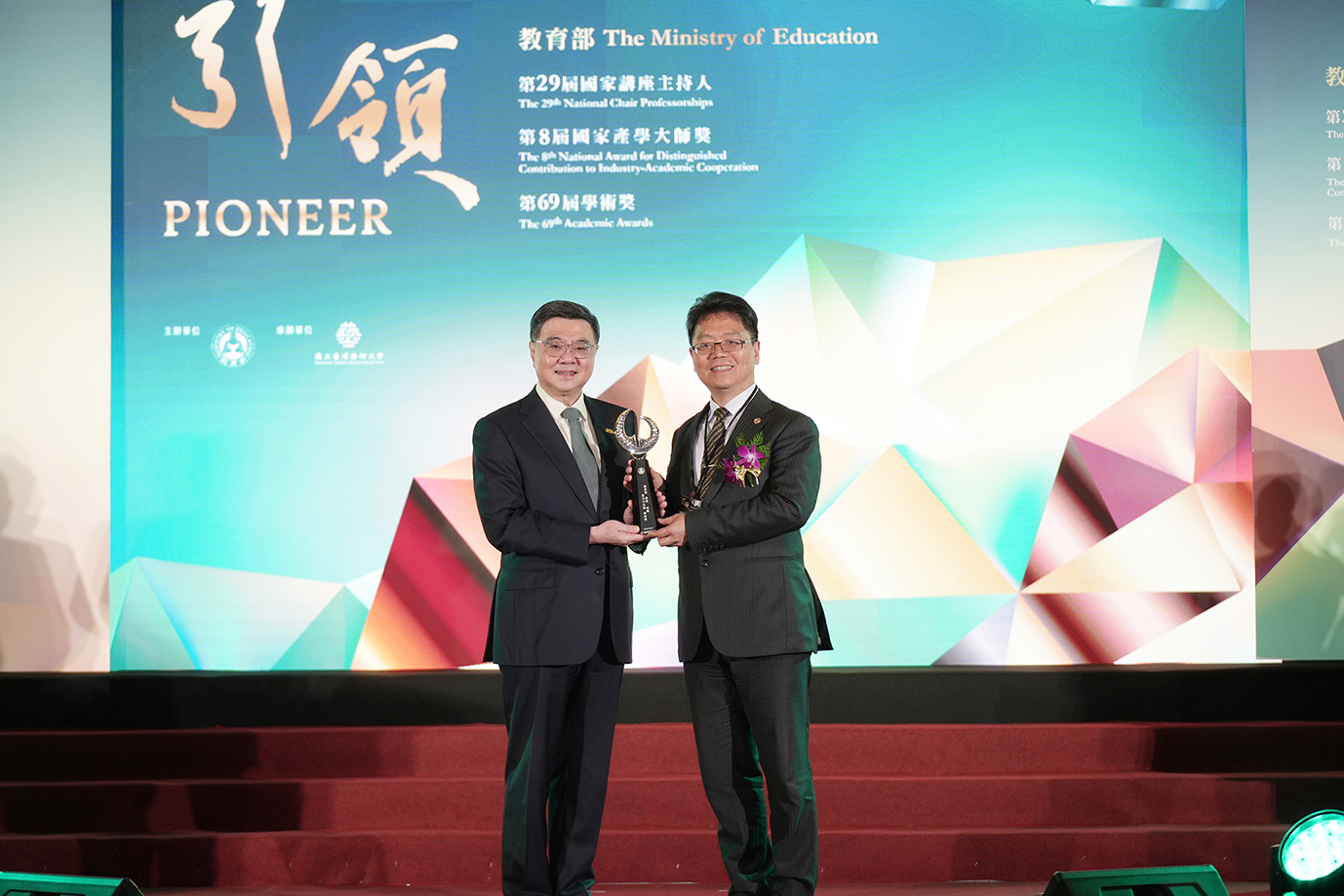
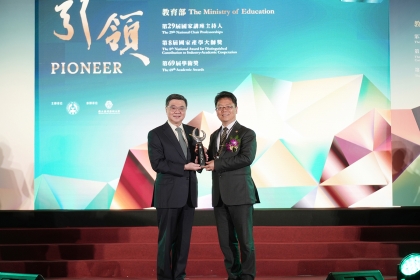
NCHU Vice President Chuan-Mu Chen (right) Receives the Ministry of Education’s 69th Academic Award
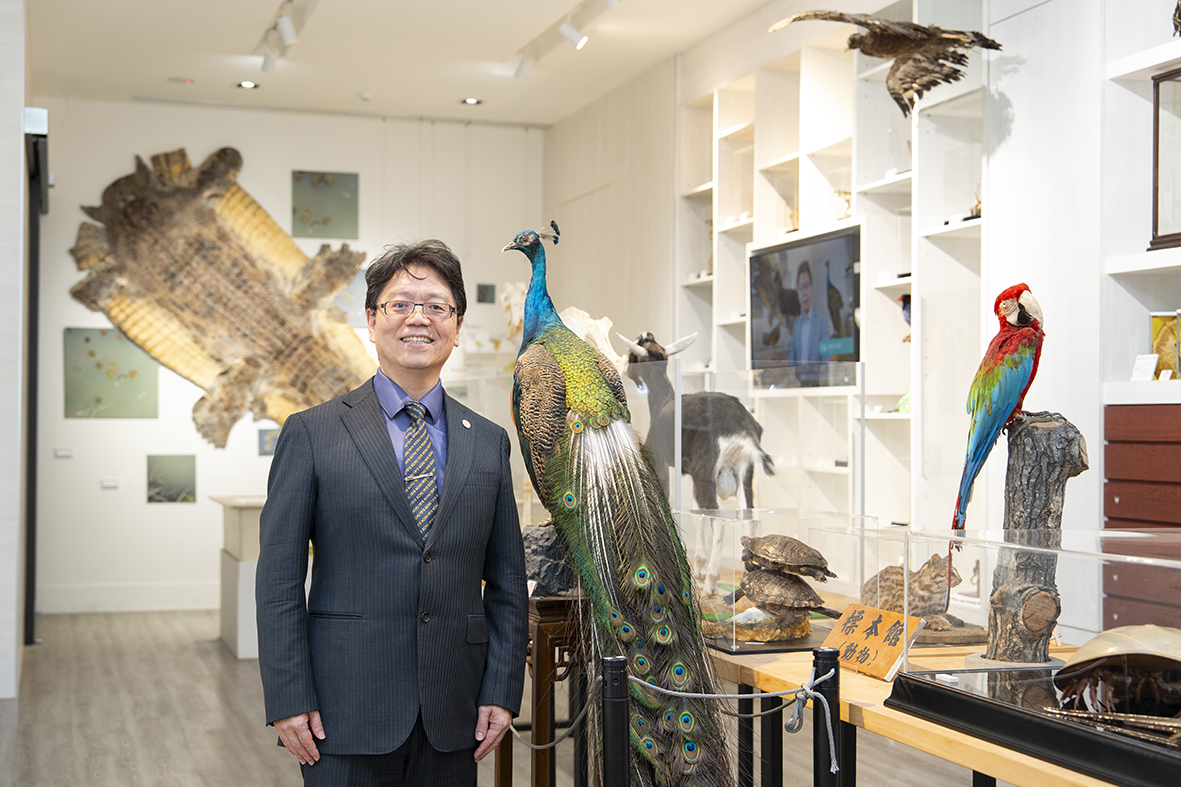
NCHU Vice President Chuan-Mu Chen Receives the Ministry of Education’s 69th Academic Award