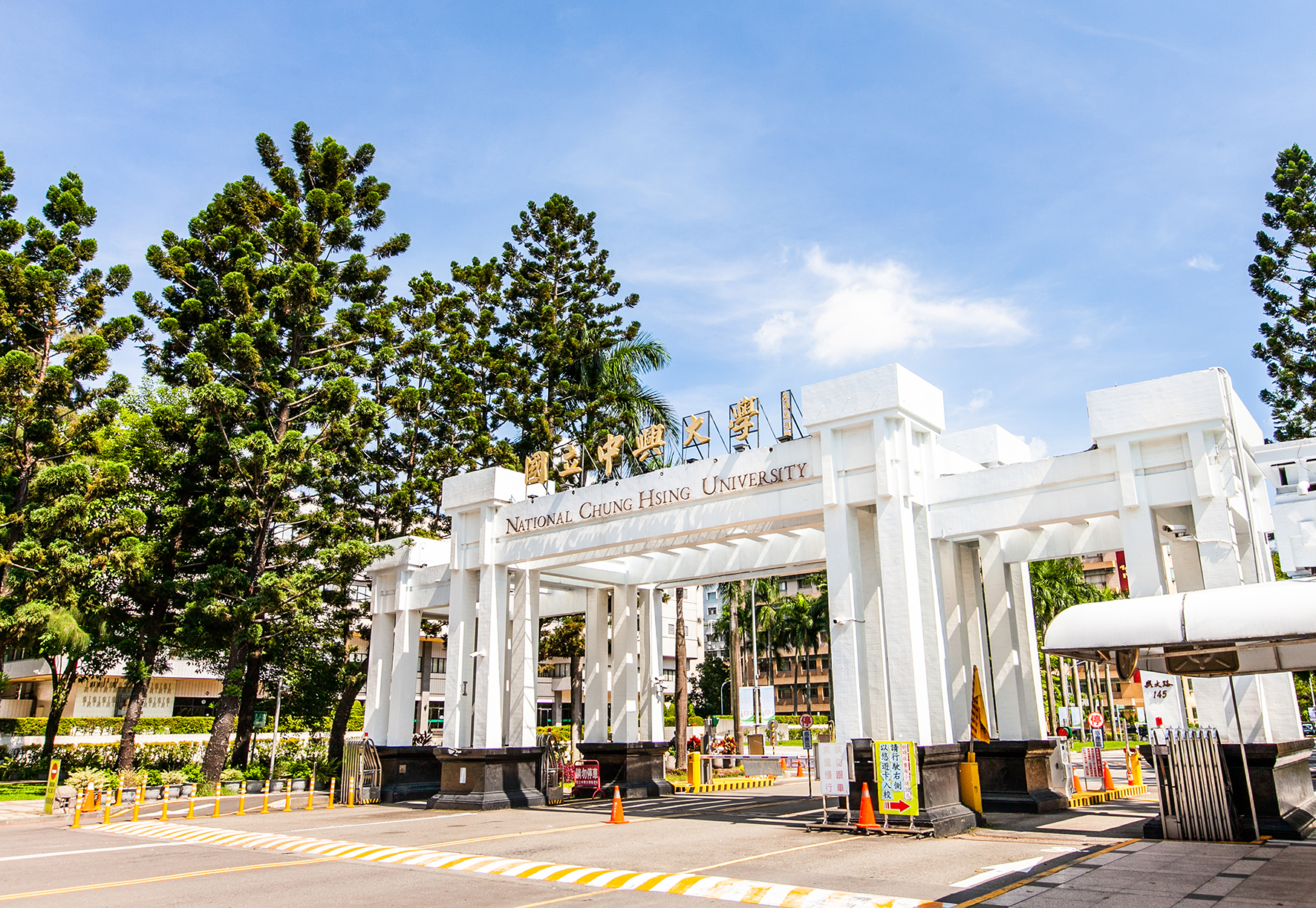


NCHU Rises to No. 8 Nationwide in 2026 University Presidents’ Performance Survey
2026-04-21
興新聞張貼者
Unit秘書室
2,065
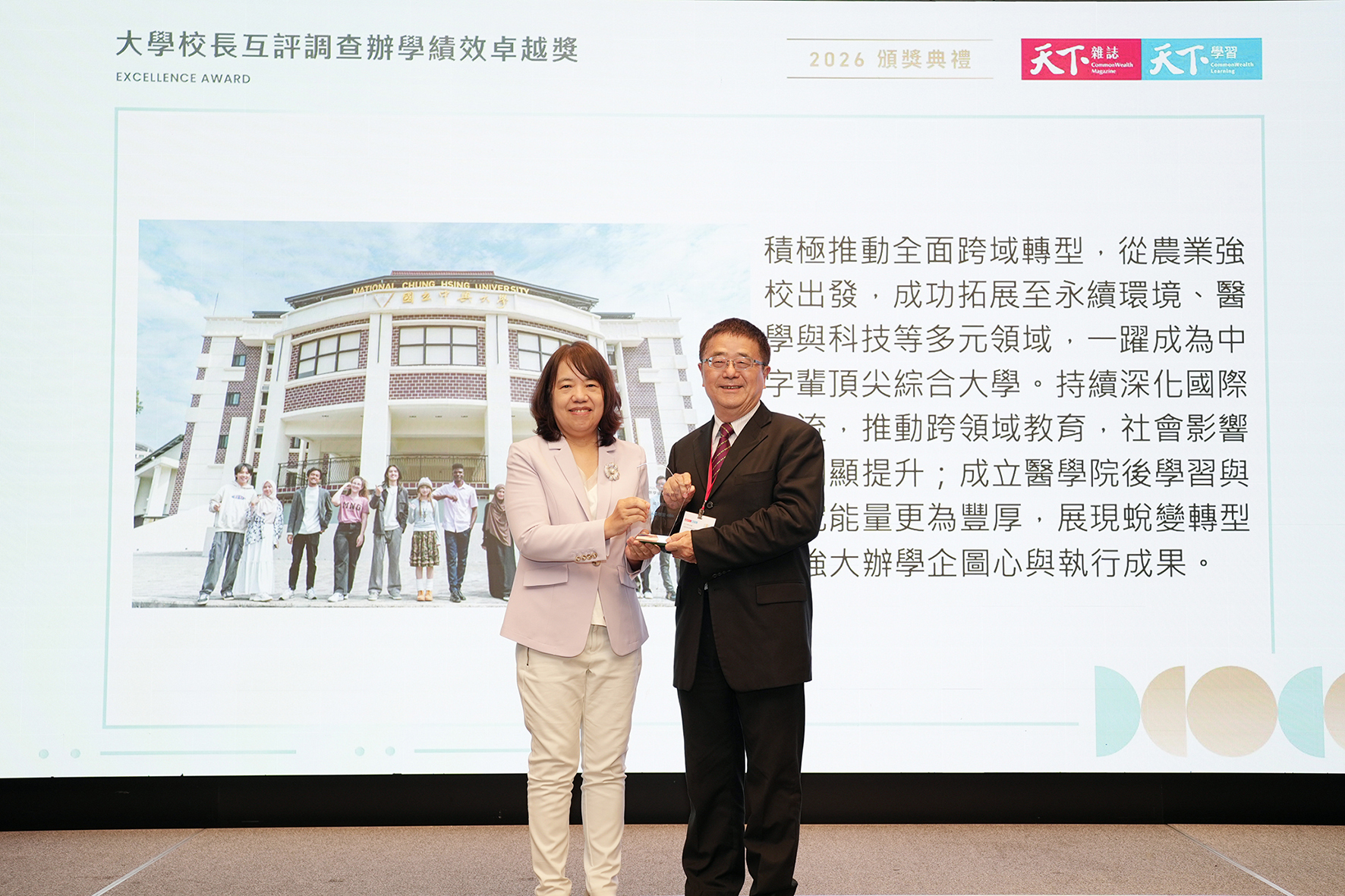
At the awards ceremony for the “2026 University Presidents’ Performance Survey,” hosted by Cheers Magazine on April 15, National Chung Hsing University (NCHU) achieved a significant leap to 8th place nationwide. In recognition of its outstanding progress in interdisciplinary integration, academic transformation, and international engagement, the university demonstrated strong institutional leadership and governance.
The survey is based on peer recommendations from university presidents across Taiwan. Out of 110 higher education institutions, only 17 were ranked this year, underscoring the survey’s competitiveness. NCHU stood out for its achievements in three key areas:
First, advancing interdisciplinarity and internationalization by promoting cross-disciplinary education and global exchange, thereby enhancing both academic and societal impact.
Second, comprehensive disciplinary transformation, expanding beyond its traditional agricultural focus into sustainability, environmental studies, medicine, and technology, making it a leading institution among mid-sized national universities.
Third, strengthening capabilities in medicine and technology, marked by the establishment of a College of Medicine and the diversification of learning and research opportunities.
Since assuming office, President Fuh-Jyh Jan has emphasized focused research and the integration of institutional strengths. Under his leadership, NCHU has consolidated its advantages in agriculture, life sciences, and veterinary medicine, securing top national ranking in funding for specialized agricultural and biological fields under the Ministry of Education’s Higher Education Sprout Project. In the Times Higher Education (THE) Impact Rankings, the university also ranks first in Taiwan for the terrestrial ecosystems indicator.
In terms of public engagement, NCHU has actively supported the government in animal and plant quarantine, disease prevention, and major disaster response, fulfilling its role as a national think tank. The university also boasts Taiwan’s most comprehensive expertise and research capacity in natural carbon sinks, contributing to net-zero transition efforts. Its achievements have been recognized with the National Sustainable Development Award, demonstrating its commitment to social responsibility and societal impact.
President Jan noted that the university leverages its key areas of strength to drive development across colleges, successfully integrating interdisciplinary teams to secure large-scale projects. These include cross-disciplinary biotechnology talent cultivation programs for the smart health industry, a smart and sustainable agriculture R&D center, and a smart manufacturing talent development hub—multi-institutional initiatives led by NCHU that continue to enhance academic capacity and industry collaboration.
In teaching innovation, NCHU emphasizes interdisciplinary learning and individualized talent development. Since taking office, President Jan has significantly lowered barriers to cross-disciplinary study and encouraged colleges to develop interdisciplinary curricula and programs. Starting from the 2025 academic year, the university will implement innovative “college-based” and “university-wide” bachelor’s degree programs. A comprehensive academic advising system has also been established, including full-time academic planners and a team of 130 faculty advisors, to help students transcend departmental boundaries and expand interdisciplinary expertise on top of their core specializations.
As an alumnus, President Jan is deeply committed to his alma mater’s development and to fostering a supportive campus environment for both learning and work. In terms of infrastructure, the university continues to upgrade campus roads and revitalize idle spaces through alumni donations and external funding. Institutionally, it has introduced several pioneering measures, including Taiwan’s first policy allowing faculty who are pregnant or caring for children under two years old to receive reduced teaching loads. Additionally, an on-campus childcare center for infants aged 0–2 has been established to ease the burden on faculty and staff, while family vehicles are granted free campus access on weekends—creating a more inclusive and supportive campus environment.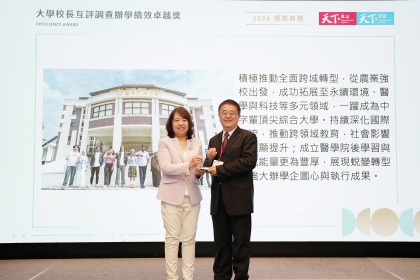
The survey is based on peer recommendations from university presidents across Taiwan. Out of 110 higher education institutions, only 17 were ranked this year, underscoring the survey’s competitiveness. NCHU stood out for its achievements in three key areas:
First, advancing interdisciplinarity and internationalization by promoting cross-disciplinary education and global exchange, thereby enhancing both academic and societal impact.
Second, comprehensive disciplinary transformation, expanding beyond its traditional agricultural focus into sustainability, environmental studies, medicine, and technology, making it a leading institution among mid-sized national universities.
Third, strengthening capabilities in medicine and technology, marked by the establishment of a College of Medicine and the diversification of learning and research opportunities.
Since assuming office, President Fuh-Jyh Jan has emphasized focused research and the integration of institutional strengths. Under his leadership, NCHU has consolidated its advantages in agriculture, life sciences, and veterinary medicine, securing top national ranking in funding for specialized agricultural and biological fields under the Ministry of Education’s Higher Education Sprout Project. In the Times Higher Education (THE) Impact Rankings, the university also ranks first in Taiwan for the terrestrial ecosystems indicator.
In terms of public engagement, NCHU has actively supported the government in animal and plant quarantine, disease prevention, and major disaster response, fulfilling its role as a national think tank. The university also boasts Taiwan’s most comprehensive expertise and research capacity in natural carbon sinks, contributing to net-zero transition efforts. Its achievements have been recognized with the National Sustainable Development Award, demonstrating its commitment to social responsibility and societal impact.
President Jan noted that the university leverages its key areas of strength to drive development across colleges, successfully integrating interdisciplinary teams to secure large-scale projects. These include cross-disciplinary biotechnology talent cultivation programs for the smart health industry, a smart and sustainable agriculture R&D center, and a smart manufacturing talent development hub—multi-institutional initiatives led by NCHU that continue to enhance academic capacity and industry collaboration.
In teaching innovation, NCHU emphasizes interdisciplinary learning and individualized talent development. Since taking office, President Jan has significantly lowered barriers to cross-disciplinary study and encouraged colleges to develop interdisciplinary curricula and programs. Starting from the 2025 academic year, the university will implement innovative “college-based” and “university-wide” bachelor’s degree programs. A comprehensive academic advising system has also been established, including full-time academic planners and a team of 130 faculty advisors, to help students transcend departmental boundaries and expand interdisciplinary expertise on top of their core specializations.
As an alumnus, President Jan is deeply committed to his alma mater’s development and to fostering a supportive campus environment for both learning and work. In terms of infrastructure, the university continues to upgrade campus roads and revitalize idle spaces through alumni donations and external funding. Institutionally, it has introduced several pioneering measures, including Taiwan’s first policy allowing faculty who are pregnant or caring for children under two years old to receive reduced teaching loads. Additionally, an on-campus childcare center for infants aged 0–2 has been established to ease the burden on faculty and staff, while family vehicles are granted free campus access on weekends—creating a more inclusive and supportive campus environment.
NCHU Rises to No. 8 Nationwide in 2026 University Presidents’ Performance Survey