

NCHU Identifies a Key Driver of Huntington’s Disease Progression, Linking Neuroinflammation and Autophagy
2026-08-19
興新聞張貼者
Unit秘書室
873
Source: Institute of Molecular Biology, National Chung Hsing University
Huntington’s disease (HD) is a rare and fatal inherited neurodegenerative disorder for which no cure is currently available. As toxic mutant proteins accumulate in the brain, patients progressively develop involuntary movements, cognitive impairment, and psychiatric symptoms. After more than three years of research, a team led by Associate Professor Tz-Chuen Ju of the Institute of Molecular Biology at National Chung Hsing University (NCHU) has identified an important driver of disease progression: the inflammatory cytokine IL-17A disrupts the neuronal 'self-cleaning system,' making abnormal proteins more difficult to eliminate.
For the first time, the study establishes a critical mechanistic link between neuroinflammation and autophagy, providing a new direction for therapeutic research. The findings were published in the international journal Autophagy in July 2026.
IL-17A Disrupts the Neuronal “Waste-Clearance System”
In patients with HD, a DNA sequence known as “CAG” is abnormally expanded within the huntingtin (HTT) gene, resulting in the production of toxic mutant huntingtin (mHTT) protein. These abnormal proteins gradually accumulate in the brain, interfere with normal neuronal function, and ultimately lead to neuronal damage and death.
Therefore, finding ways to help neurons clear mutant proteins has long been a key focus in HD research. Neurons possess a mechanism known as the "autophagy-lysosomal system." Acting as the cell's internal recycling and waste processing center, it is responsible for breaking down damaged proteins and aged organelles. Once the function of this system declines, abnormal proteins rapidly accumulate within the cells.
The research team led by Dr. Ju discovered that IL-17A suppresses autophagy and lysosomal function through the GSK3β–TFE3 signaling pathway. IL-17A reduces the efficiency of the cellular “waste-clearance system,” making mHTT protein more difficult to process and eliminate. The continued accumulation of abnormal proteins further damages neurons and aggravates inflammatory responses in the brain.
To confirm the impact of IL-17A on HD, the researchers injected IL-17A neutralizing antibodies into the brain ventricles of transgenic HD mouse models to block IL-17A signaling in the brain. The results showed that the previously suppressed autophagy-lysosomal function was restored. Consequently, mHTT protein levels and neuroinflammation in the brain decreased, and neuronal damage was mitigated. Notably, the mice demonstrated improved performance in motor coordination tests and significantly extended survival times.
Neuroinflammation Is Not Merely a Consequence but May Also Drive Disease Progression
Dr. Ju noted that neuroinflammation has traditionally been regarded primarily as a secondary phenomenon accompanying neuronal damage. However, this study further demonstrates that inflammatory responses may, in turn, impair the ability of neurons to eliminate abnormal proteins.
The study found that the cellular clearance dysfunction triggered by IL-17A causes mHTT proteins to continuously accumulate, which further aggravates neuronal damage and inflammatory responses, forming a vicious, continuously deteriorating cycle of "inflammation—protein accumulation—neuronal damage."
Dr. Ju stated that this research demonstrates that neuroinflammation and autophagy are not independent of each other. IL-17A weakens the ability of neurons to process abnormal proteins; however, in mouse models, blocking this signal presents an opportunity to restore the cells' self-clearance function. The major breakthrough of this study lies in bridging two critical research fields: "neuroimmunology" and "autophagy." This not only helps in understanding the mechanism behind the continuous progression of HD, but also provides a new direction for investigating other neurodegenerative diseases accompanied by abnormal protein accumulation.
Potential for Clinical Translation: Existing IL-17A Inhibitors Warrant Further Evaluation
Currently, there are multiple monoclonal antibodies targeting IL-17A or its receptors that are used to treat immune-related diseases such as psoriasis, psoriatic arthritis, and ankylosing spondylitis. By clarifying the mechanism of action of IL-17A in HD, this study paves the way for further evaluating the feasibility of applying these related drugs or inhibitory strategies to HD in the future.
However, Dr. Ju emphasized that the current research is primarily based on cellular and mouse models, which does not directly imply that IL-17A inhibitors are ready to be used as a treatment for HD patients. Future studies must still further verify the route of administration, dosage, optimal timing for treatment, and long-term safety of the drugs.
Article: https://pubmed.ncbi.nlm.nih.gov/42494065/
Huntington’s disease (HD) is a rare and fatal inherited neurodegenerative disorder for which no cure is currently available. As toxic mutant proteins accumulate in the brain, patients progressively develop involuntary movements, cognitive impairment, and psychiatric symptoms. After more than three years of research, a team led by Associate Professor Tz-Chuen Ju of the Institute of Molecular Biology at National Chung Hsing University (NCHU) has identified an important driver of disease progression: the inflammatory cytokine IL-17A disrupts the neuronal 'self-cleaning system,' making abnormal proteins more difficult to eliminate.
For the first time, the study establishes a critical mechanistic link between neuroinflammation and autophagy, providing a new direction for therapeutic research. The findings were published in the international journal Autophagy in July 2026.
IL-17A Disrupts the Neuronal “Waste-Clearance System”
In patients with HD, a DNA sequence known as “CAG” is abnormally expanded within the huntingtin (HTT) gene, resulting in the production of toxic mutant huntingtin (mHTT) protein. These abnormal proteins gradually accumulate in the brain, interfere with normal neuronal function, and ultimately lead to neuronal damage and death.
Therefore, finding ways to help neurons clear mutant proteins has long been a key focus in HD research. Neurons possess a mechanism known as the "autophagy-lysosomal system." Acting as the cell's internal recycling and waste processing center, it is responsible for breaking down damaged proteins and aged organelles. Once the function of this system declines, abnormal proteins rapidly accumulate within the cells.
The research team led by Dr. Ju discovered that IL-17A suppresses autophagy and lysosomal function through the GSK3β–TFE3 signaling pathway. IL-17A reduces the efficiency of the cellular “waste-clearance system,” making mHTT protein more difficult to process and eliminate. The continued accumulation of abnormal proteins further damages neurons and aggravates inflammatory responses in the brain.
To confirm the impact of IL-17A on HD, the researchers injected IL-17A neutralizing antibodies into the brain ventricles of transgenic HD mouse models to block IL-17A signaling in the brain. The results showed that the previously suppressed autophagy-lysosomal function was restored. Consequently, mHTT protein levels and neuroinflammation in the brain decreased, and neuronal damage was mitigated. Notably, the mice demonstrated improved performance in motor coordination tests and significantly extended survival times.
Neuroinflammation Is Not Merely a Consequence but May Also Drive Disease Progression
Dr. Ju noted that neuroinflammation has traditionally been regarded primarily as a secondary phenomenon accompanying neuronal damage. However, this study further demonstrates that inflammatory responses may, in turn, impair the ability of neurons to eliminate abnormal proteins.
The study found that the cellular clearance dysfunction triggered by IL-17A causes mHTT proteins to continuously accumulate, which further aggravates neuronal damage and inflammatory responses, forming a vicious, continuously deteriorating cycle of "inflammation—protein accumulation—neuronal damage."
Dr. Ju stated that this research demonstrates that neuroinflammation and autophagy are not independent of each other. IL-17A weakens the ability of neurons to process abnormal proteins; however, in mouse models, blocking this signal presents an opportunity to restore the cells' self-clearance function. The major breakthrough of this study lies in bridging two critical research fields: "neuroimmunology" and "autophagy." This not only helps in understanding the mechanism behind the continuous progression of HD, but also provides a new direction for investigating other neurodegenerative diseases accompanied by abnormal protein accumulation.
Potential for Clinical Translation: Existing IL-17A Inhibitors Warrant Further Evaluation
Currently, there are multiple monoclonal antibodies targeting IL-17A or its receptors that are used to treat immune-related diseases such as psoriasis, psoriatic arthritis, and ankylosing spondylitis. By clarifying the mechanism of action of IL-17A in HD, this study paves the way for further evaluating the feasibility of applying these related drugs or inhibitory strategies to HD in the future.
However, Dr. Ju emphasized that the current research is primarily based on cellular and mouse models, which does not directly imply that IL-17A inhibitors are ready to be used as a treatment for HD patients. Future studies must still further verify the route of administration, dosage, optimal timing for treatment, and long-term safety of the drugs.
Article: https://pubmed.ncbi.nlm.nih.gov/42494065/
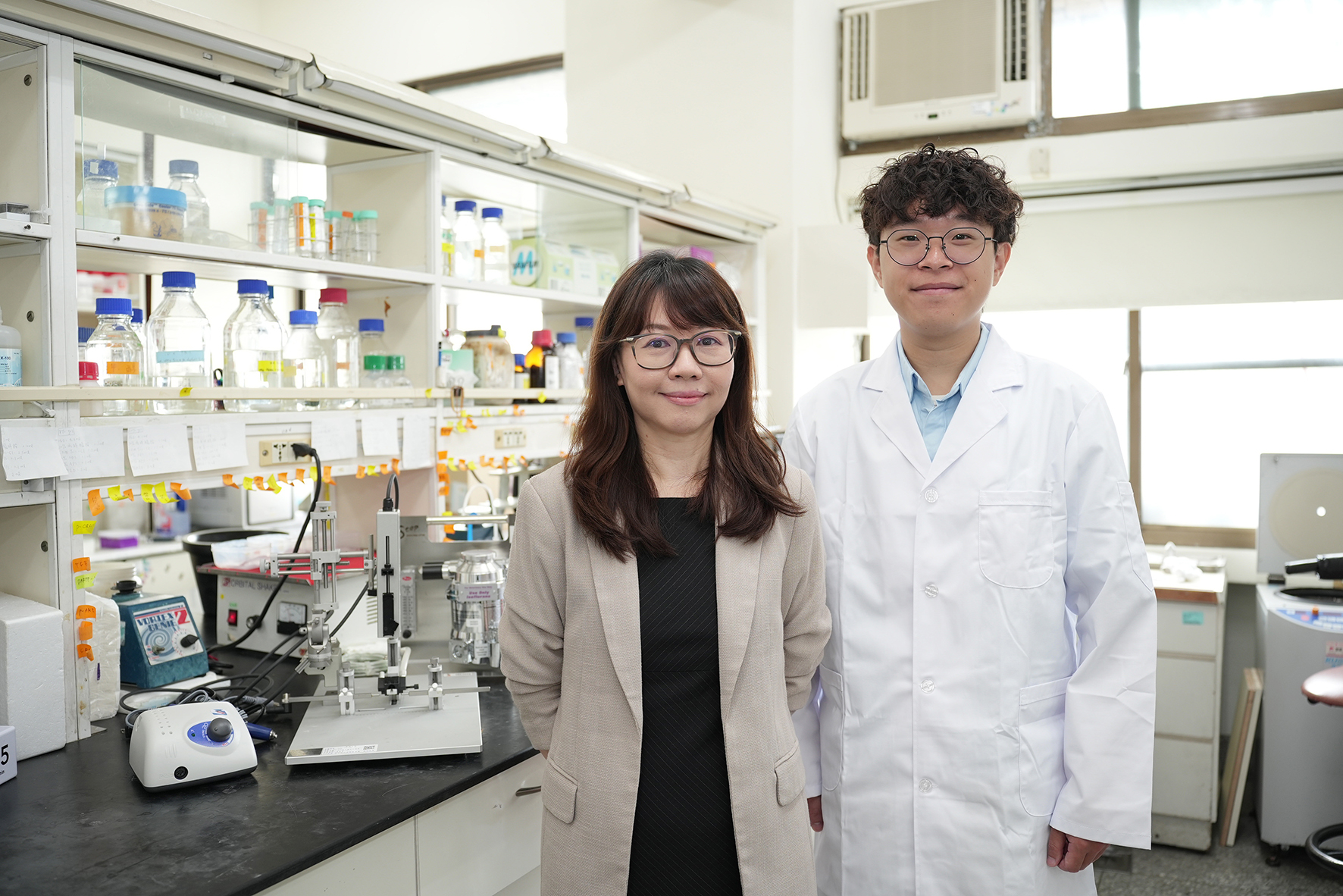
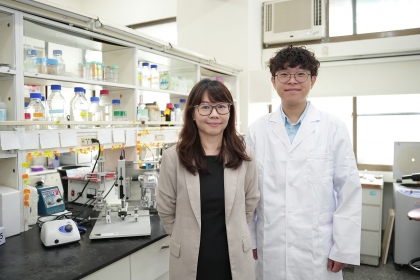
Study authors Associate Professor Tz-Chuen Ju (left) and doctoral student Kai-Po Chen (right) of NCHU’s Institute of Molecular Biology.
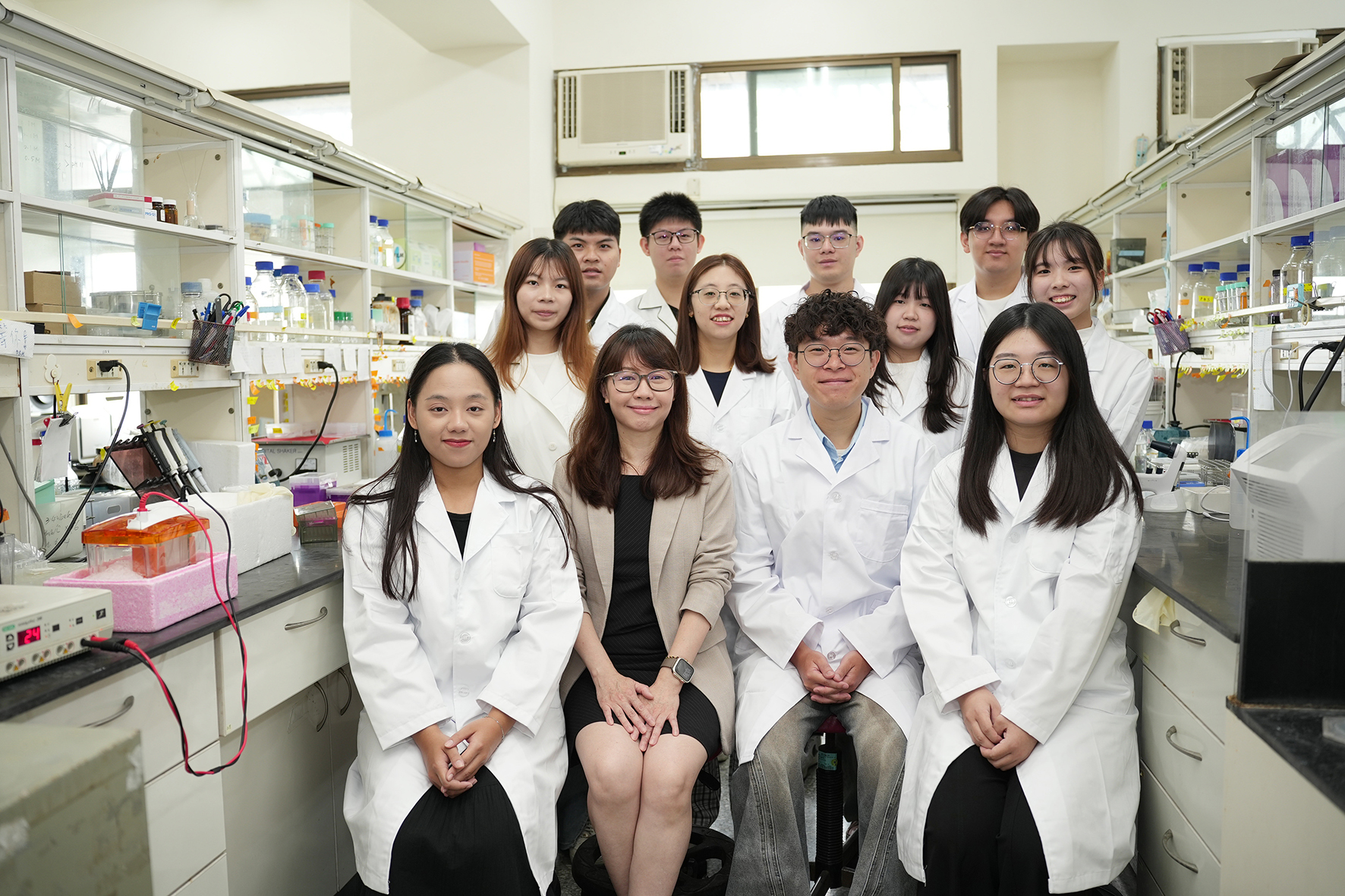
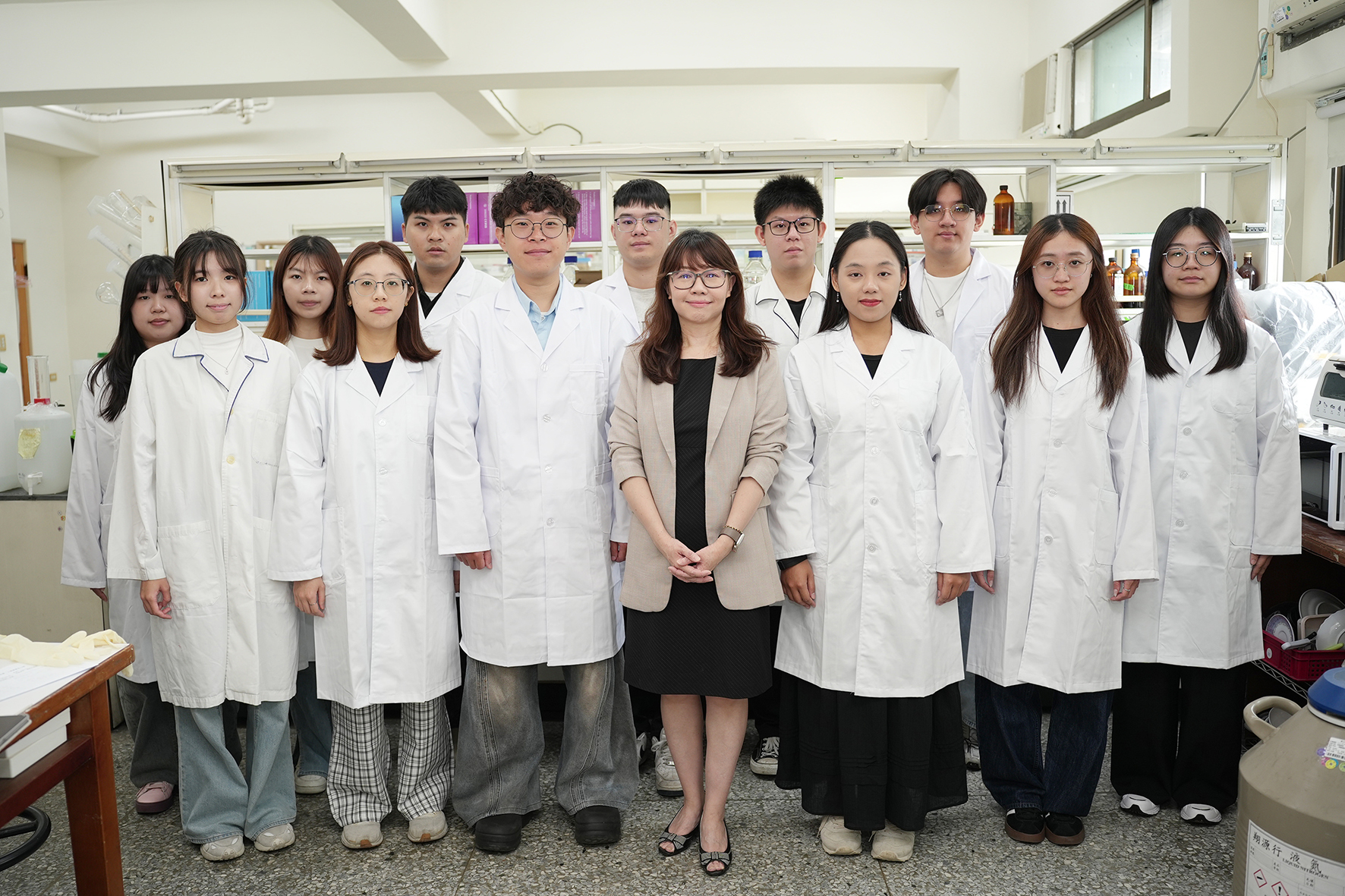
Associate Professor Tz-Chuen Ju (second from left, front row) of NCHU’s Institute of Molecular Biology with his research team.