

Bridging Physics and Life: NCHU Hosts the Sixth Comparative Biomechanics Symposium
2026-10-05
興新聞張貼者
Unit秘書室
464
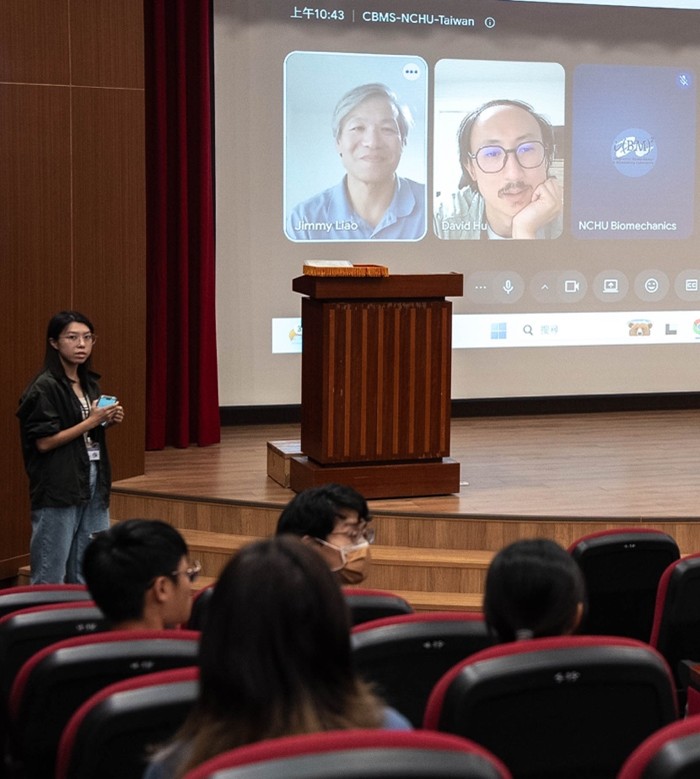
The 2026 Comparative Biomechanics Symposium (CBMS), co-hosted by the Department of Physics and the Department of Life Sciences at National Chung Hsing University (NCHU), took place on October 3 in the International Conference Hall of the College of Science, drawing nearly 100 participants on site and online. This year's 35 speakers came from 12 institutions in Taiwan and abroad, representing 15 departments and units across the life sciences, mechanical engineering, aerospace engineering, and physics, while two international scientific advisors joined remotely to offer guidance.
Participating institutions included NCHU, Tunghai University, China Medical University, and the National Museum of Natural Science in central Taiwan; National Taiwan University, National Taiwan Normal University, National Yang Ming Chiao Tung University, and Academia Sinica in the north; National Chung Cheng University and National Cheng Kung University in the south; National Hualien Senior High School in the east; and Humboldt University of Berlin in Germany. Scientific advisors Prof. David Hu of the Georgia Institute of Technology and Prof. James Liao of the University of Florida offered feedback on the presentations and answered audience questions on how undergraduates can join a lab to pursue interdisciplinary research, how AI is changing teaching and research, and the unexpected rewards of mentoring student projects.
Comparative biomechanics applies the principles of mechanics to explore the form, function, and adaptive strategies of living organisms. This year's 17 student presentations covered organisms ranging from insects and spiders to fish and birds, and addressed four major areas: locomotion and behavior; fluids, flight, and swimming; materials, surfaces, and adhesion; and sensing. Several projects also showed potential for bio-inspired design. Awards for outstanding student presenters at the close of the event encouraged them to continue pursuing interdisciplinary research and to share their work beyond their home disciplines.
In addition to the student presentations, featured talks covered the use of biophysical methods to assess the risk posed by insect boring in cherry trees, and the experience of high school teachers co-mentoring interdisciplinary student projects across subjects. Seven faculty members introduced research questions in biomechanics that their teams are exploring. During the panel discussion, several of them also responded to audience questions, reflecting on how they entered interdisciplinary research, the path they took, and the challenges and rewards along the way.
"Since 2016, I have collaborated with colleagues from different departments to co-mentor students," said Prof. Kai-Jung Chi of the Department of Physics, founder of the symposium. "I found that this kind of interdisciplinary research often sits at the boundaries between disciplines, where it rarely receives feedback, and research teams have few chances to interact. So in 2021, I invited the teams I worked with to come and share their work, hoping to build a welcoming platform for exchange and support."
According to Chi, the symposium began with faculty teams who were her collaborators. In 2023, Prof. Ren-Chung Cheng of the Department of Life Sciences joined as co-organizer, and a Scientific Advisory Board of five international scholars was established, giving students the opportunity to engage with them directly. In recent years, new research teams have joined, sparking new interdisciplinary collaborations. Over six years, CBMS has become Taiwan's only ongoing interdisciplinary platform dedicated to comparative biomechanics, featuring more than 100 student presentations, nearly 50 featured talks and faculty research introductions, and a cumulative attendance of nearly 700. Many students have returned year after year to report on the latest progress of their research.
Another highlight of the day was the award ceremony for the 2026 Biomechanics Four-Panel Comics Competition. Prof. Kuen-Lin Chen, Director of the Science Education Center at NCHU's College of Science, presented the awards recognizing the winners for transforming biomechanics knowledge into creative four-panel comics and character designs. The winning works were exhibited at the venue alongside a display of science-communication creations, using comics to bring biomechanics to a wider audience.
Prof. David Hu, a two-time winner of the Ig Nobel Prize in Physics (2015 and 2019), will visit NCHU in person to give a lecture on the afternoon of December 23. All students and faculty interested in comparative biomechanics are welcome to attend.
The event was supported by NCHU's Higher Education Sprout Project (Teaching Innovation), the iEGG and Animal Biotechnology Research Center, and the Science Education Center of the College of Science.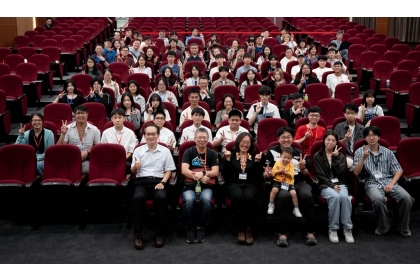
Participating institutions included NCHU, Tunghai University, China Medical University, and the National Museum of Natural Science in central Taiwan; National Taiwan University, National Taiwan Normal University, National Yang Ming Chiao Tung University, and Academia Sinica in the north; National Chung Cheng University and National Cheng Kung University in the south; National Hualien Senior High School in the east; and Humboldt University of Berlin in Germany. Scientific advisors Prof. David Hu of the Georgia Institute of Technology and Prof. James Liao of the University of Florida offered feedback on the presentations and answered audience questions on how undergraduates can join a lab to pursue interdisciplinary research, how AI is changing teaching and research, and the unexpected rewards of mentoring student projects.
Comparative biomechanics applies the principles of mechanics to explore the form, function, and adaptive strategies of living organisms. This year's 17 student presentations covered organisms ranging from insects and spiders to fish and birds, and addressed four major areas: locomotion and behavior; fluids, flight, and swimming; materials, surfaces, and adhesion; and sensing. Several projects also showed potential for bio-inspired design. Awards for outstanding student presenters at the close of the event encouraged them to continue pursuing interdisciplinary research and to share their work beyond their home disciplines.
In addition to the student presentations, featured talks covered the use of biophysical methods to assess the risk posed by insect boring in cherry trees, and the experience of high school teachers co-mentoring interdisciplinary student projects across subjects. Seven faculty members introduced research questions in biomechanics that their teams are exploring. During the panel discussion, several of them also responded to audience questions, reflecting on how they entered interdisciplinary research, the path they took, and the challenges and rewards along the way.
"Since 2016, I have collaborated with colleagues from different departments to co-mentor students," said Prof. Kai-Jung Chi of the Department of Physics, founder of the symposium. "I found that this kind of interdisciplinary research often sits at the boundaries between disciplines, where it rarely receives feedback, and research teams have few chances to interact. So in 2021, I invited the teams I worked with to come and share their work, hoping to build a welcoming platform for exchange and support."
According to Chi, the symposium began with faculty teams who were her collaborators. In 2023, Prof. Ren-Chung Cheng of the Department of Life Sciences joined as co-organizer, and a Scientific Advisory Board of five international scholars was established, giving students the opportunity to engage with them directly. In recent years, new research teams have joined, sparking new interdisciplinary collaborations. Over six years, CBMS has become Taiwan's only ongoing interdisciplinary platform dedicated to comparative biomechanics, featuring more than 100 student presentations, nearly 50 featured talks and faculty research introductions, and a cumulative attendance of nearly 700. Many students have returned year after year to report on the latest progress of their research.
Another highlight of the day was the award ceremony for the 2026 Biomechanics Four-Panel Comics Competition. Prof. Kuen-Lin Chen, Director of the Science Education Center at NCHU's College of Science, presented the awards recognizing the winners for transforming biomechanics knowledge into creative four-panel comics and character designs. The winning works were exhibited at the venue alongside a display of science-communication creations, using comics to bring biomechanics to a wider audience.
Prof. David Hu, a two-time winner of the Ig Nobel Prize in Physics (2015 and 2019), will visit NCHU in person to give a lecture on the afternoon of December 23. All students and faculty interested in comparative biomechanics are welcome to attend.
The event was supported by NCHU's Higher Education Sprout Project (Teaching Innovation), the iEGG and Animal Biotechnology Research Center, and the Science Education Center of the College of Science.
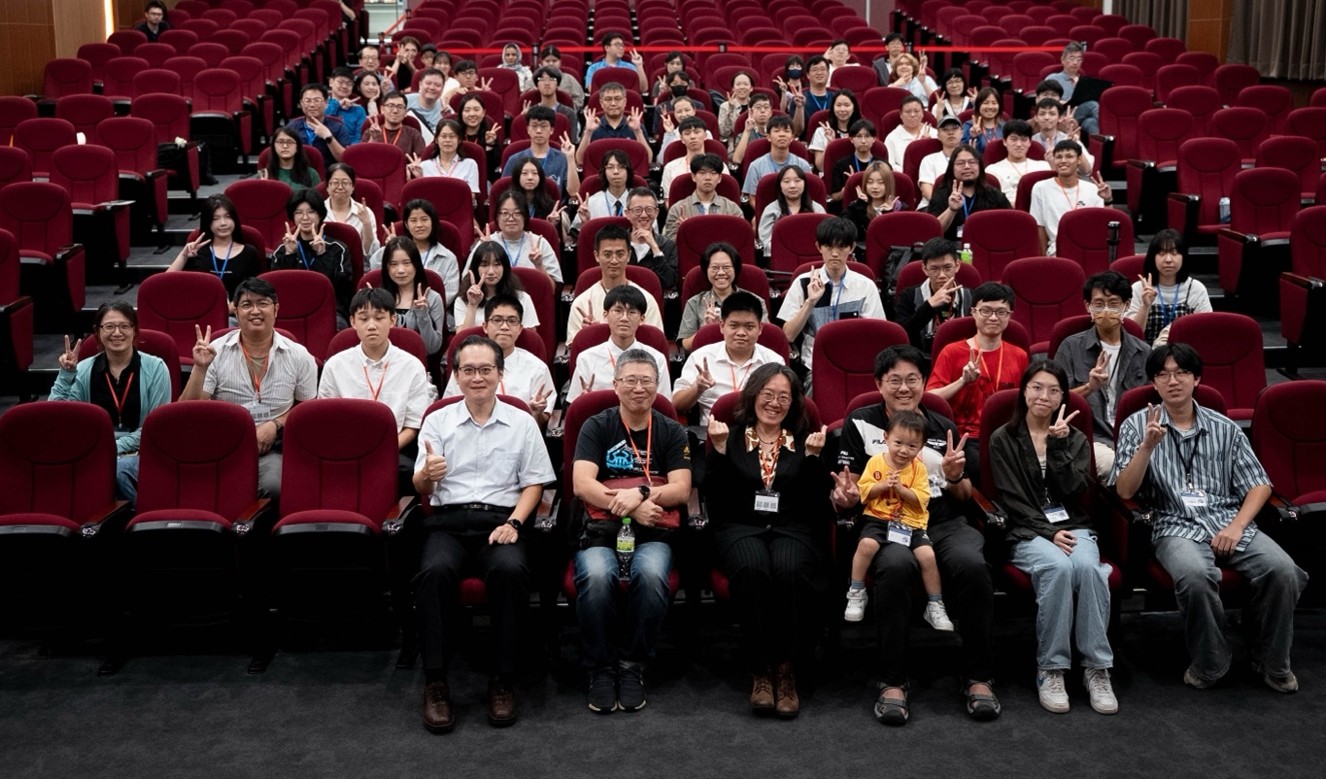
Participants of the Sixth Comparative Biomechanics Symposium with Prof. Kuen-Lin Chen, Director of the Science Education Center and award presenter for the Four-Panel Comics Competition (front row, first from left)
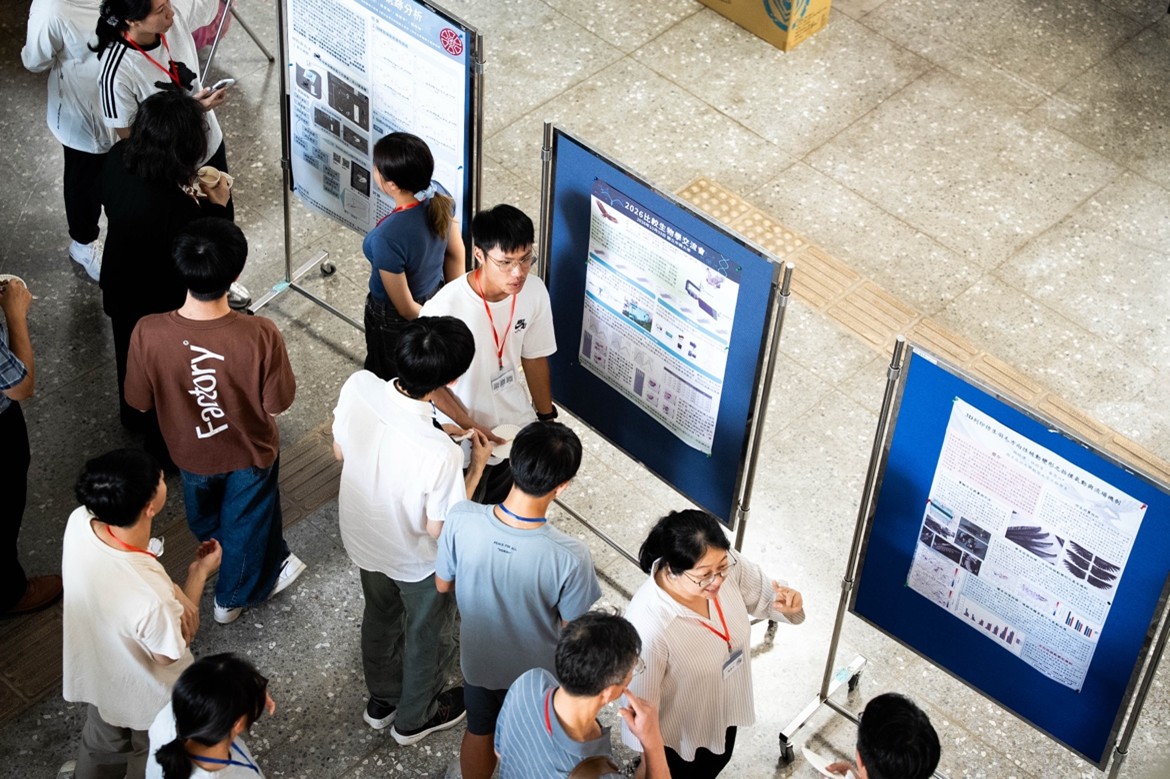
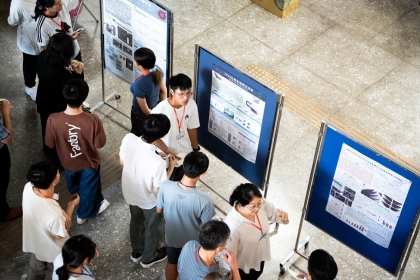
Students and faculty exchange ideas at the poster session.